Vietnamese Etiquette: Cultural Tips for Visitors – Vietnam Travel Culture Tips
Why Knowing Vietnam Travel Culture Tips Matters
If you ask any seasoned traveler, they’ll tell you: the quickest way to win hearts in Vietnam isn’t just to learn a few Vietnamese words, but to respect the unspoken rules that shape everyday life.
Ho Chi Minh City — or Saigon, as locals still fondly call it — is Vietnam’s biggest, busiest, and most culturally diverse city. But underneath the motorbike chaos lies a deeply traditional society that values politeness, respect for elders, and subtle gestures.
These Vietnam travel culture tips will help you blend in gracefully, avoid accidental faux pas, and earn smiles wherever you go.
1. Greetings and First Impressions
How to Say Hello Politely
A simple “Xin chào” (pronounced “sin chow”) means hello. Locals love when foreigners try — so don’t be shy!
When meeting someone:
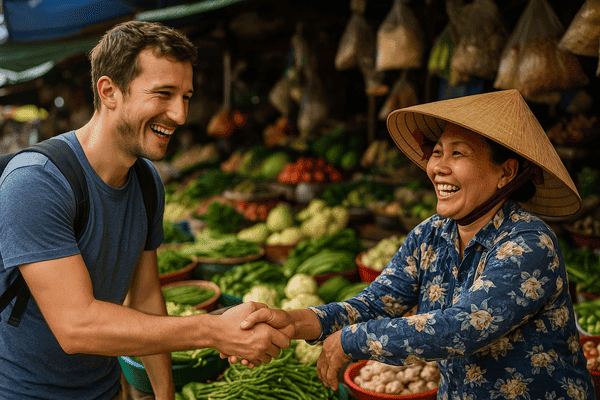
A slight nod or gentle handshake is common, especially with men.
Younger people often greet elders with a small bow of the head.
Use both hands to give or receive business cards, gifts, or even a drink — it shows respect.
What to Avoid When Greeting
Hugging or cheek kissing is not the norm, especially with new acquaintances.
Avoid too much back-slapping — personal space is respected in Vietnam.
Tip: Address older people as “Anh” (older brother) or “Chị” (older sister) if you know their age bracket. It’s a warm local habit.
2. Dress Code in Ho Chi Minh City
Everyday Streetwear
Saigon is tropical and hot — locals dress casually but modestly:
✅ T-shirts, shorts, dresses are fine.
✅ Locals often carry a light jacket or long-sleeve to protect from the sun and motorbike pollution.
If you’re headed to fancy rooftop bars, opt for smart casual: a nice shirt or dress, closed shoes — flip-flops aren’t welcome at upscale spots.
What to Wear in Temples and Pagodas
This is where visitors often get it wrong.
Shoulders and knees should be covered.
Remove hats and sunglasses when inside temple grounds.
Carry a scarf or light shawl — it’s an easy fix if your outfit is sleeveless.
Most pagodas have racks where you must remove your shoes before entering the main prayer hall.
3. Behavior in Homes and Local Houses
Visiting a Vietnamese Home
If you’re lucky enough to be invited to a local’s house, take it as a huge compliment.
Bring a small gift: fruit, sweets, or a souvenir from your country.
Remove your shoes at the door — a must.
Wait to be shown where to sit.
Giving Gifts and Polite Gestures
Wrap gifts neatly. Red and gold paper are considered lucky.
Gifts are usually given with both hands.
Avoid giving sharp objects (like knives or scissors) — they symbolize cutting ties.
4. Dining Etiquette – Eat Like a Local
Table Manners to Remember
Wait for the eldest person to start eating before you do.
Hold your bowl close to your mouth — don’t bend over the table.
It’s polite to finish most of what’s on your plate, but leaving a tiny bit shows you’re full.
Sharing Food and Drinking Rules
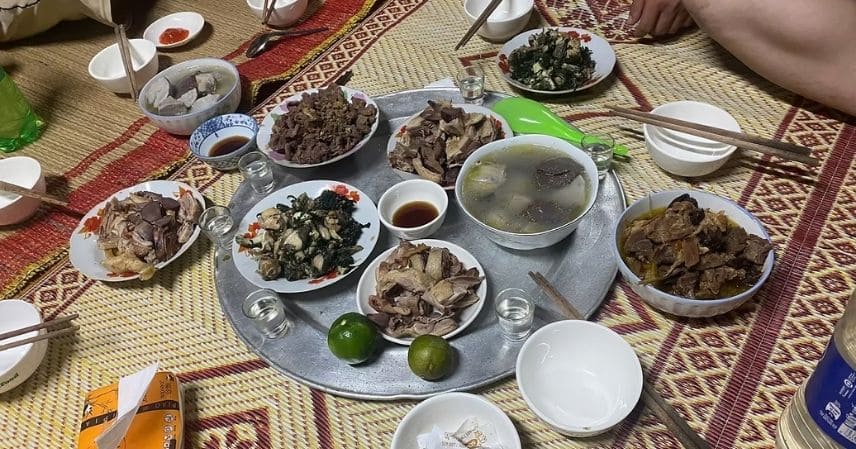
Vietnamese meals are communal:
✅ Take small portions from shared plates.
✅ Don’t stick chopsticks upright in rice — it resembles incense for the dead.
When drinking beer with locals, say “1, 2, 3… dzô!” — the famous Vietnamese cheers. Check out the Best Street Food in Ho Chi Minh City
5. Respect in Temples and Sacred Places
Dos and Don’ts in Pagodas
✅ Dress modestly.
✅ Speak softly.
✅ Don’t touch statues or sacred objects.
✅ Always walk behind people praying.
How to Make Offerings Respectfully
Locals light incense, offer fruit or flowers, and bow in prayer. Tourists are welcome to join:
Buy a small incense bundle at the temple gate.
Light it at designated spots.
Never blow out incense — wave it gently to extinguish the flame.
6. Tipping in Vietnam – When and How Much
Tipping in Restaurants and Cafés
Tipping is not mandatory, but appreciated:
At local street stalls: no tipping needed.
At mid-range restaurants: round up the bill or leave about 5–10%.
Fancy places may add a 5%–10% service charge — check your receipt.
Tipping Drivers, Guides, and Hotel Staff
✅ Taxi or Grab drivers: rounding up is polite.
✅ Tour guides: $5–$10 USD per day per guest is standard.
✅ Hotel porters: $1–$2 USD per bag.
7. Personal Space and Public Behavior
Volume and Body Language
Vietnamese people often speak gently — avoid raising your voice.
Loud public arguments are frowned upon.
Public displays of affection (hugging, kissing) are still not common among locals.
Handling Conflict Politely
If there’s a misunderstanding:
Stay calm.
Smile, explain softly, or use a translation app.
Losing your temper won’t help — locals admire people who stay composed.
8. Other Vietnam Travel Culture Tips
Bargaining – The Friendly Way
Haggling is normal at local markets:
✅ Smile, be polite, and treat it like a fun game.
✅ Counteroffer about 30% lower than the first price.
✅ Walk away politely if you don’t agree — you might get called back!
Photography Etiquette
Always ask before snapping close-ups of people, especially elders or monks.
In temples, look for “No Photography” signs.
Drone use needs permission in many areas — check local rules.
FAQs about Vietnam Travel Culture Tips
Q1: Is it rude to touch someone’s head?
Yes. The head is considered sacred — avoid patting kids or adults on the head.
Q2: Can I wear shorts in public?
Yes, in big cities it’s fine. But opt for knee-length or longer shorts when visiting rural areas or temples.
Q3: Is it safe to drink tap water?
No — always drink bottled or filtered water.
Q4: Are there any taboos I should know?
Don’t point feet at people or sacred objects. And avoid public criticism — it can cause loss of face.
Q5: How do locals feel about foreigners?
Vietnamese people are warm and welcoming. A smile and small cultural effort go a long way!
Final Thoughts – Travel Respectfully, Connect Deeply
Being mindful of Vietnam travel culture tips doesn’t just avoid awkward moments — it opens doors to genuine connections, warm conversations, and friendships that last beyond your trip.
So, smile often, say “Xin chào”, respect local customs, and watch Saigon’s vibrant culture embrace you back. Safe travels and happy exploring — Chúc bạn có một chuyến đi vui vẻ!